


From Idea to Reality: Turning Vision into a Market-Ready Product ?
Transforming an idea into a real, functional product requires a structured and disciplined approach that combines creativity, engineering, and strategic execution. Below are the key stages that guide this journey from imagination to implementation:
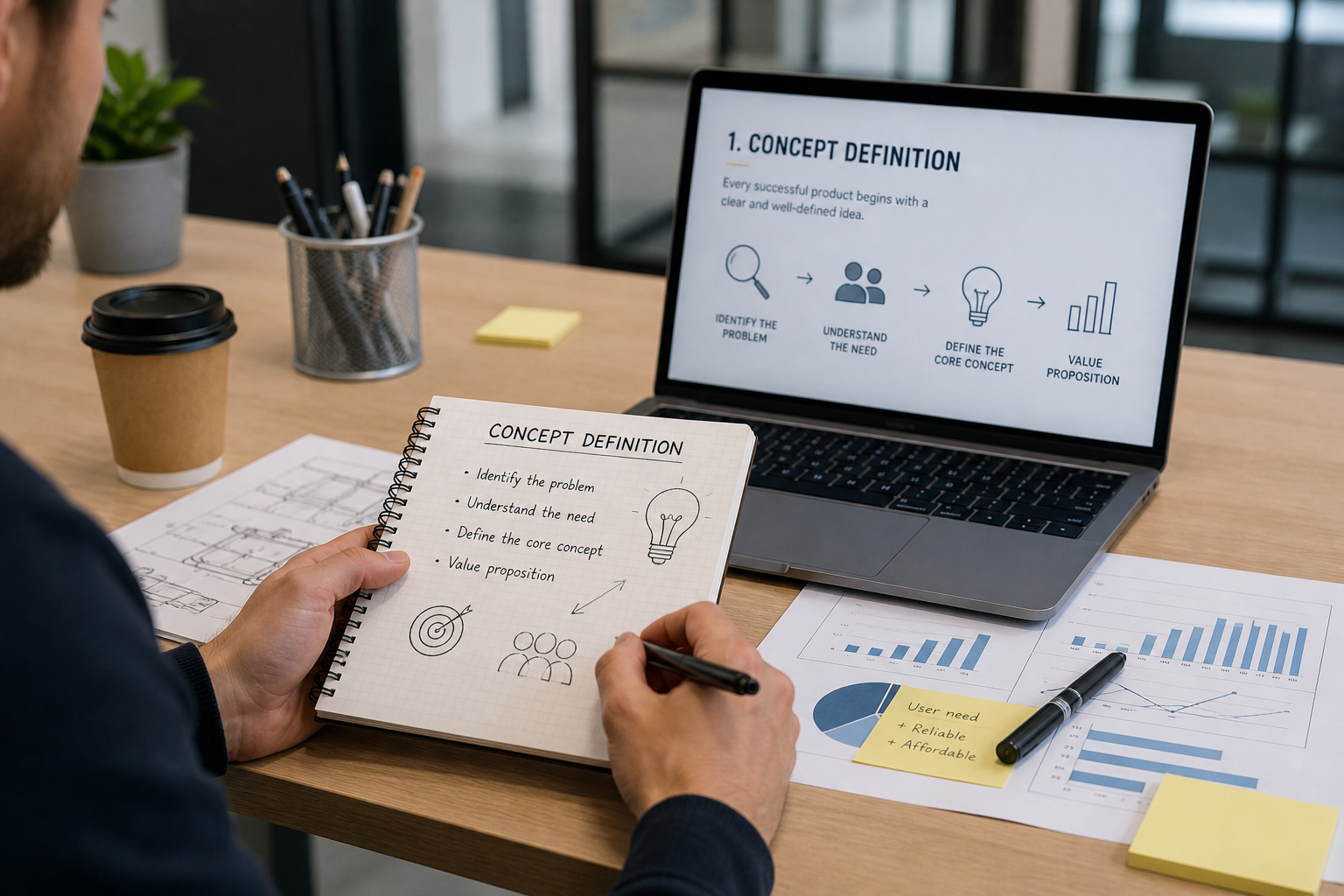
1. Concept Definition
Every successful product begins with a clear and well-defined idea. This stage involves identifying the problem, understanding the need, and outlining the core concept. A strong value proposition is essential to ensure the idea has real-world relevance.
2. Feasibility Study
Before investing time and resources, the idea must be evaluated from technical, economic, and operational perspectives. This includes assessing available technologies, cost constraints, and potential risks.
3. Design and Engineering
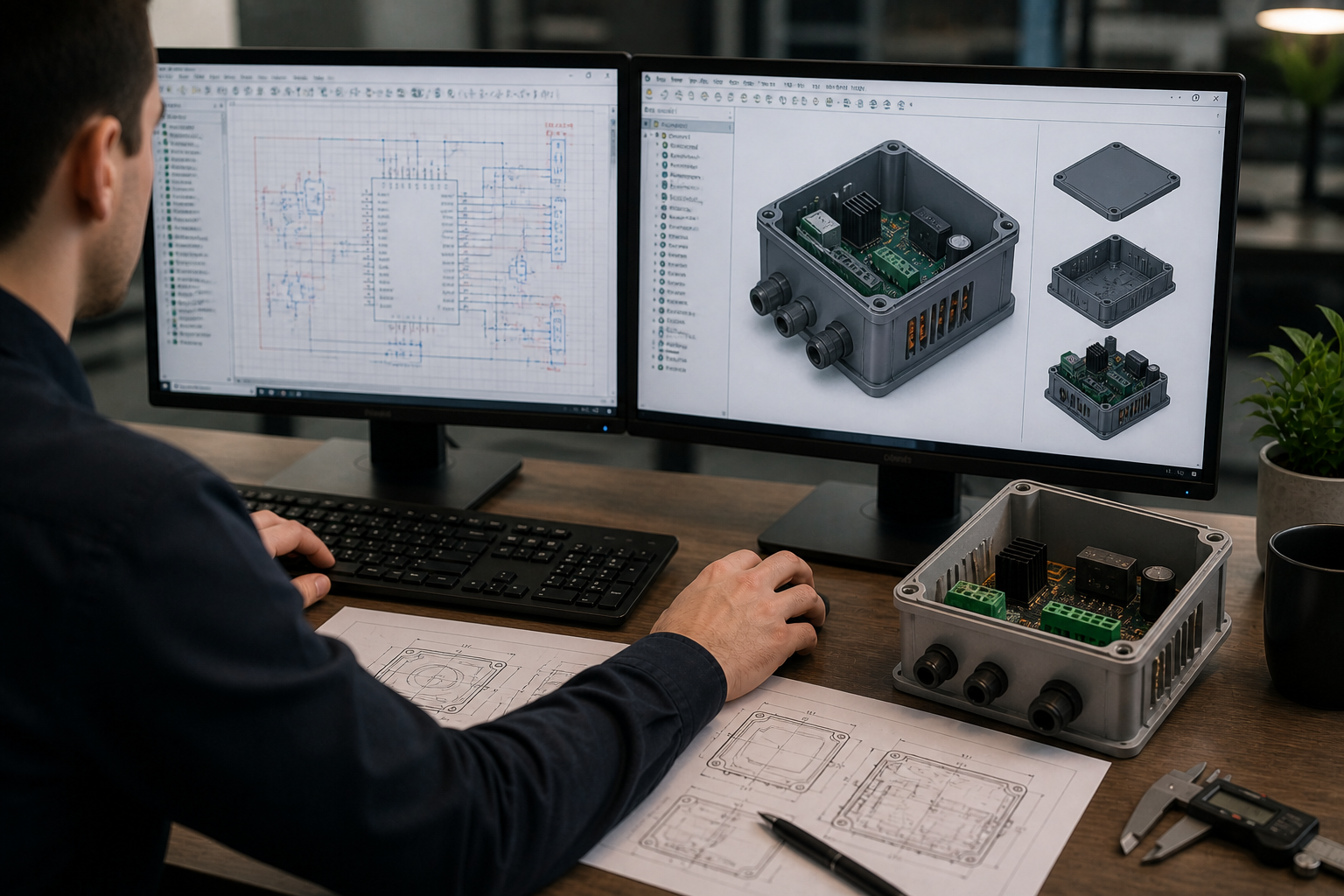
At this stage, the concept is transformed into detailed designs. This may include schematics, 3D models, simulations, and system architecture. The goal is to create a precise blueprint that defines how the product will function.
4. Prototyping
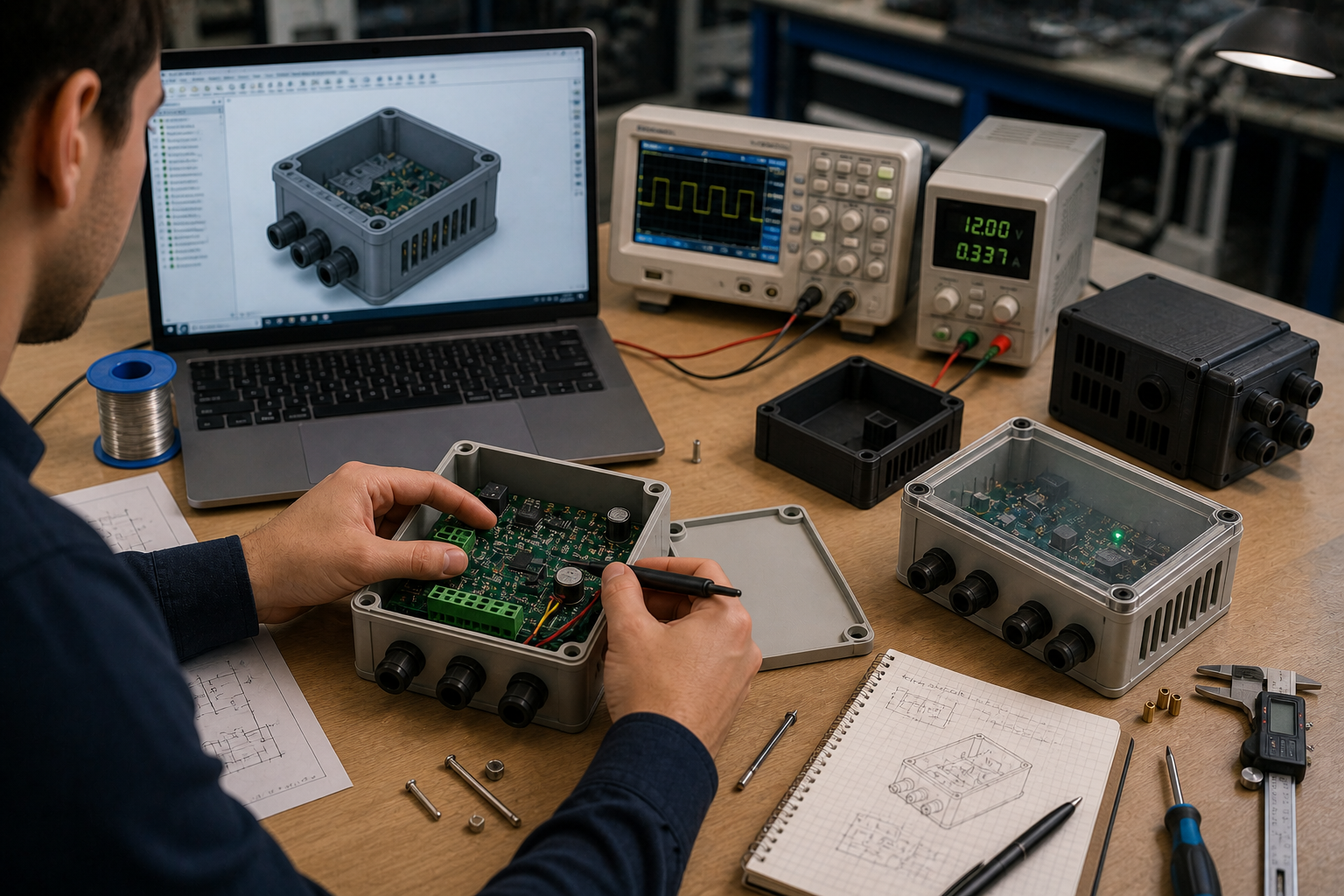
A prototype is developed to bring the design to life. This initial version allows for practical testing, validation of assumptions, and identification of improvements. Iteration is key during this phase.
5. Testing and Validation
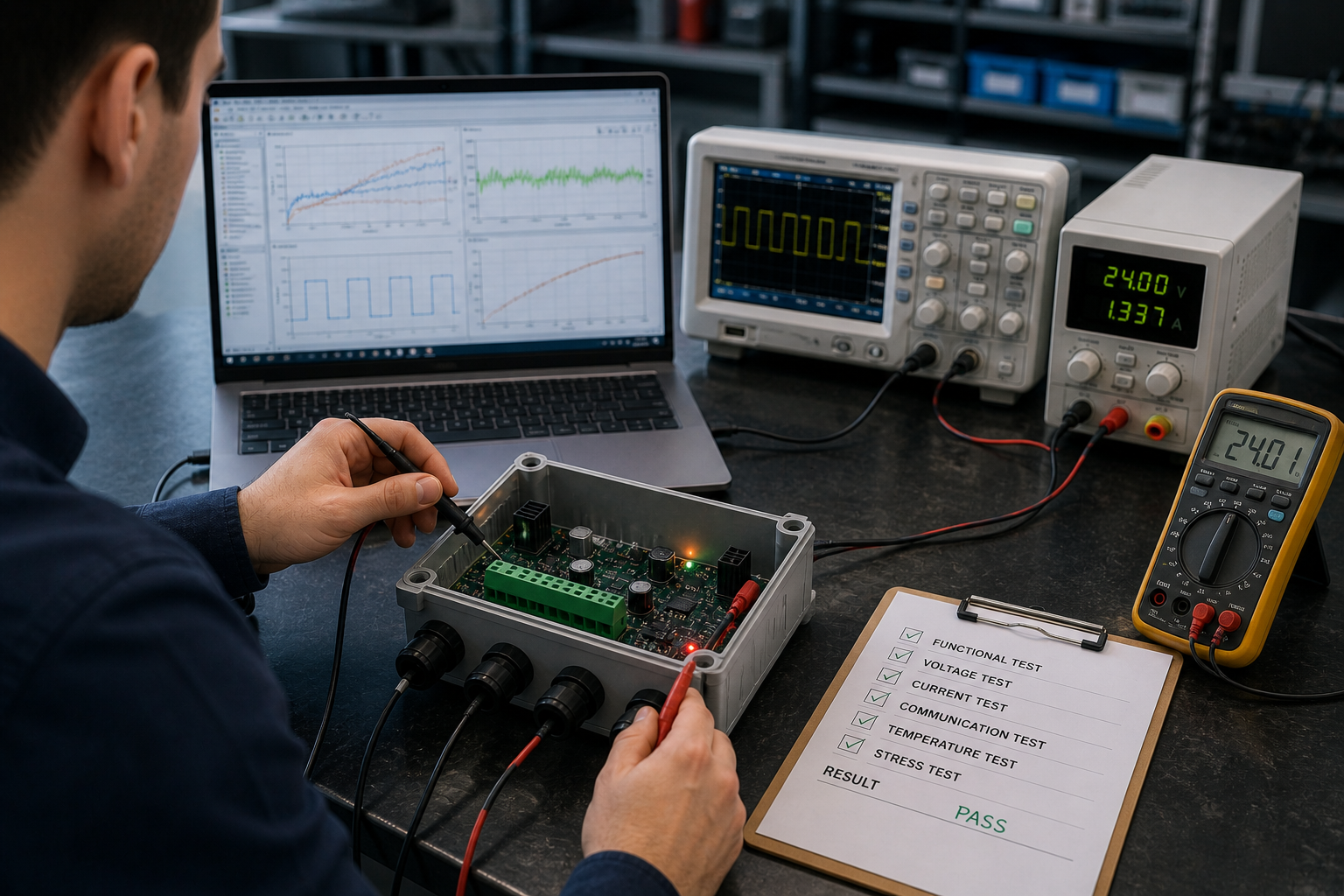
The prototype undergoes rigorous testing to ensure performance, safety, and reliability. Any issues discovered are analyzed and corrected through design refinements.
6. Industrialization
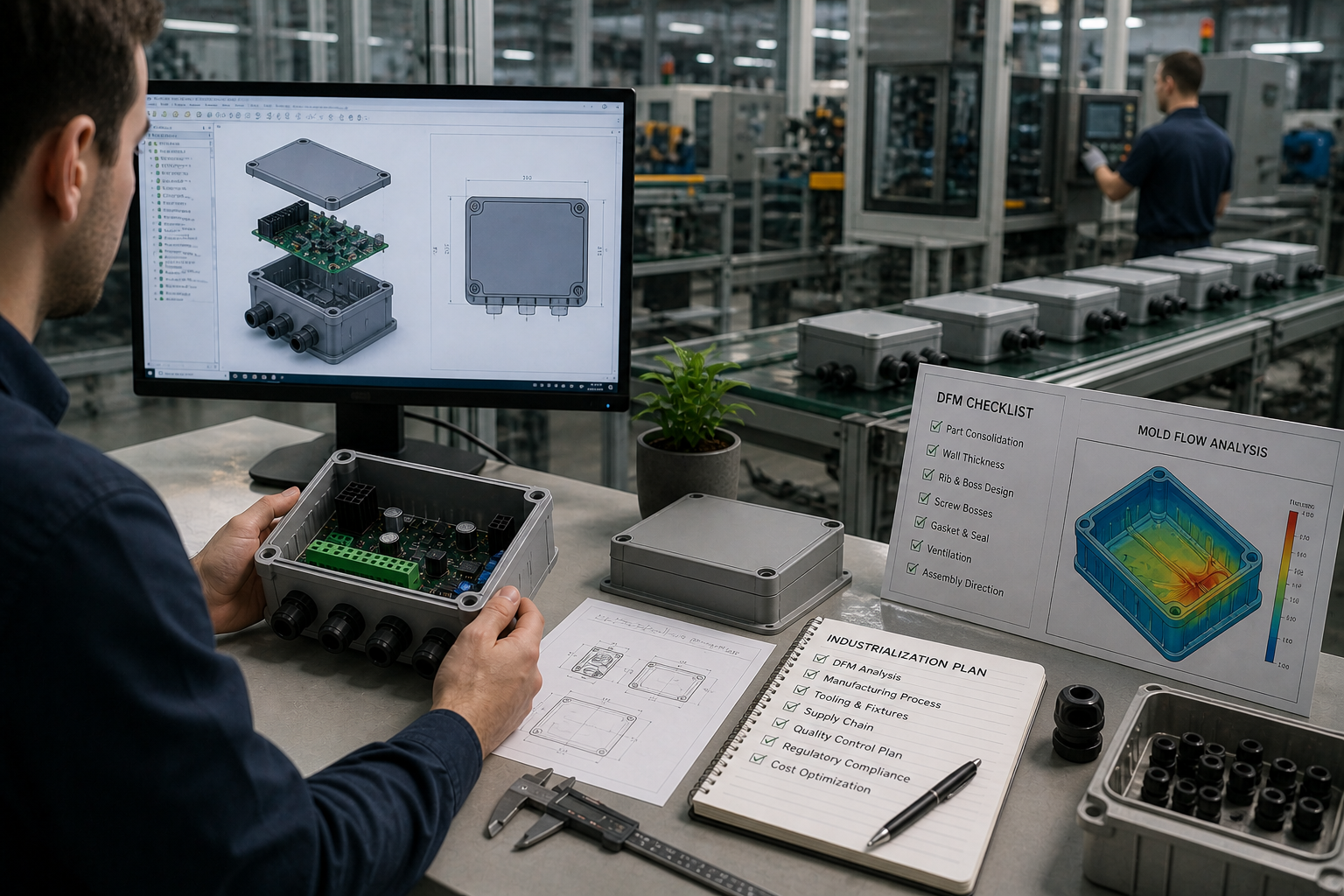
Once validated, the product is prepared for production. This includes optimizing manufacturing processes, selecting materials, ensuring compliance with standards, and reducing production costs.
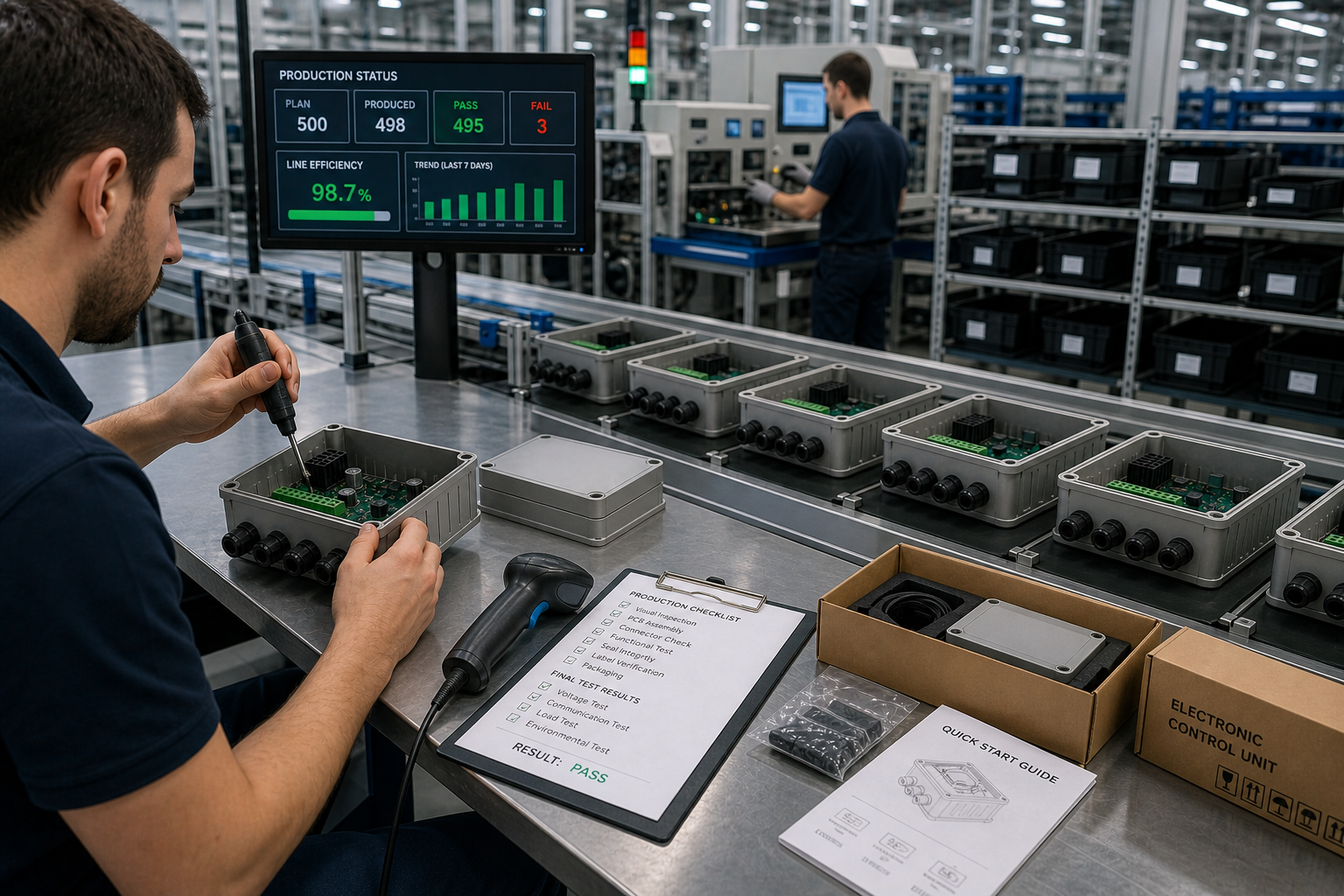
7. Production and Deployment
The product moves into manufacturing and is introduced to the market. Quality control, supply chain management, and scalability are critical factors at this stage.
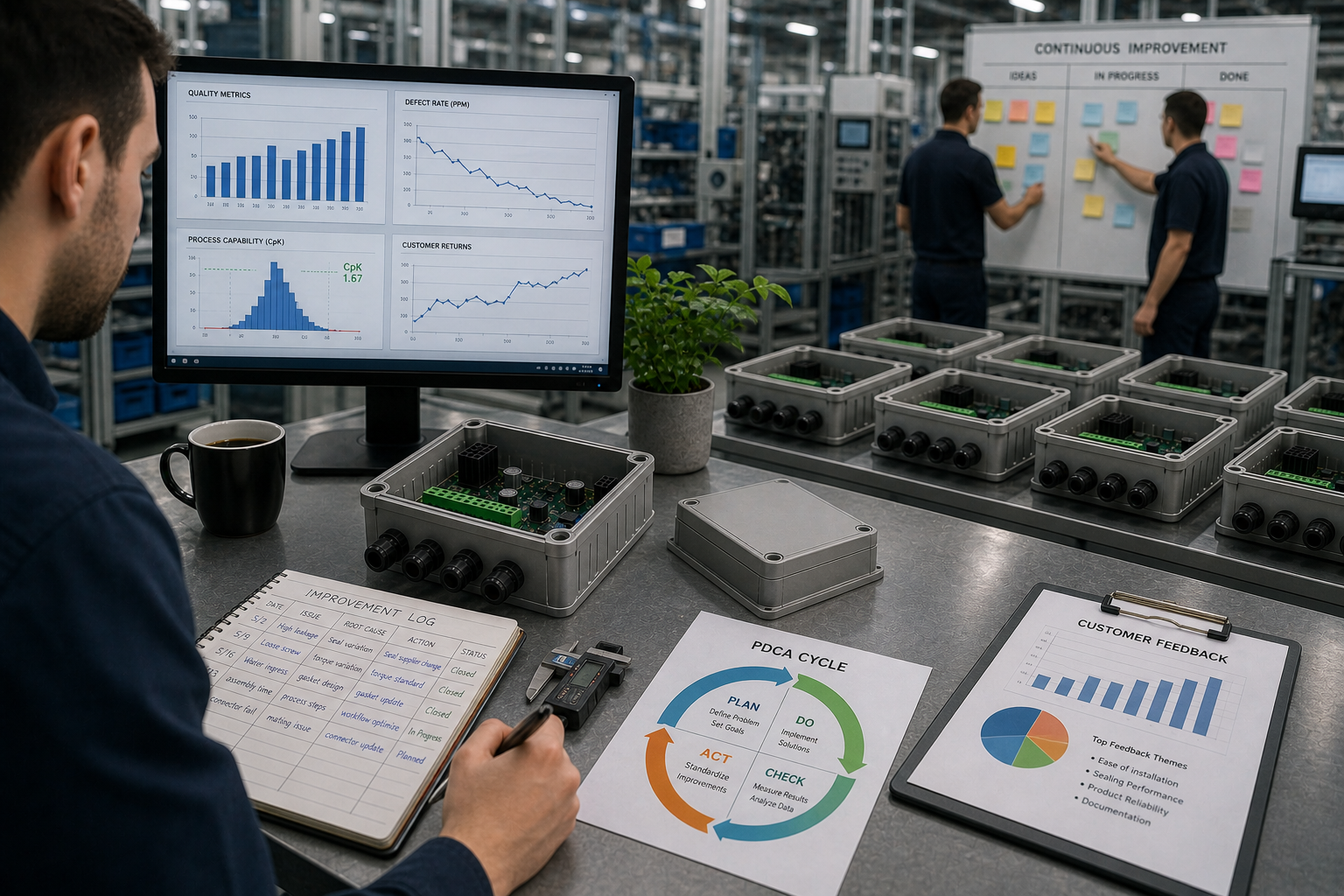
8. Continuous Improvement
After deployment, feedback from real-world use is collected and analyzed. This allows for ongoing improvements, updates, and future innovation.
Conclusion
Bringing an idea to life is not a single step but a complete process that requires expertise, precision, and adaptability. With the right methodology, any concept can evolve into a reliable and impactful product.

You May Also Like

How to design a reliable and efficient control system?
Duis aute irure dolor in reprehenderit in voluptate velit esse cillum dolore eu fugiat nulla pariatur. Excepteur sint occaecat cupidatat non proident.
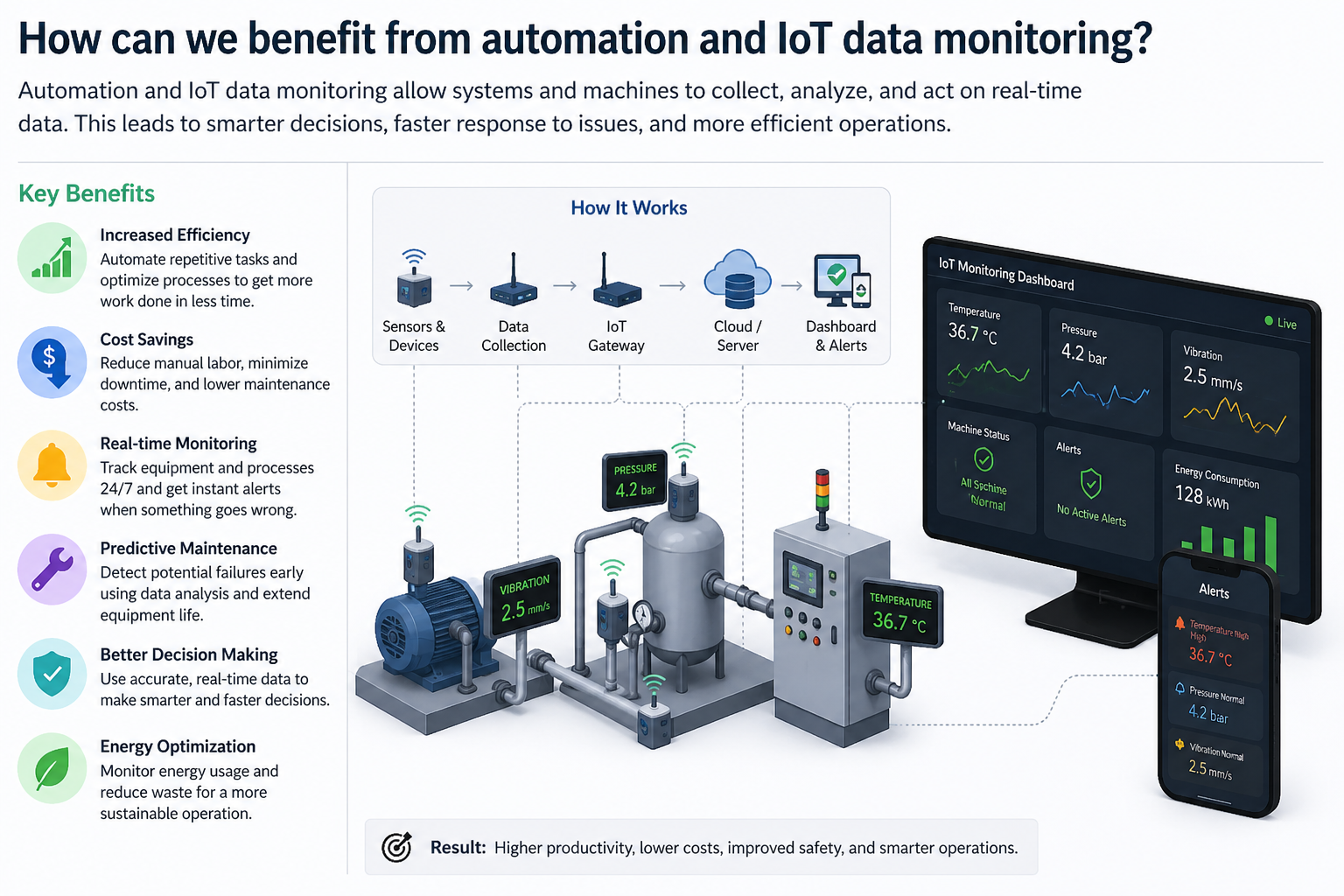
How can businesses benefit from automation and IoT data monitoring?
Duis aute irure dolor in reprehenderit in voluptate velit esse cillum dolore eu fugiat nulla pariatur. Excepteur sint occaecat cupidatat non proident.